Yu-Gi-Oh card value depends on the exact card, set, rarity, edition and condition. Early first-edition copies of sought-after cards can be worth much more than later unlimited prints of the same name. Photograph the set code and edition stamp, then compare recent sold prices.
The app scans faster, keeps a history of your items and gives free weekly scans.
Example
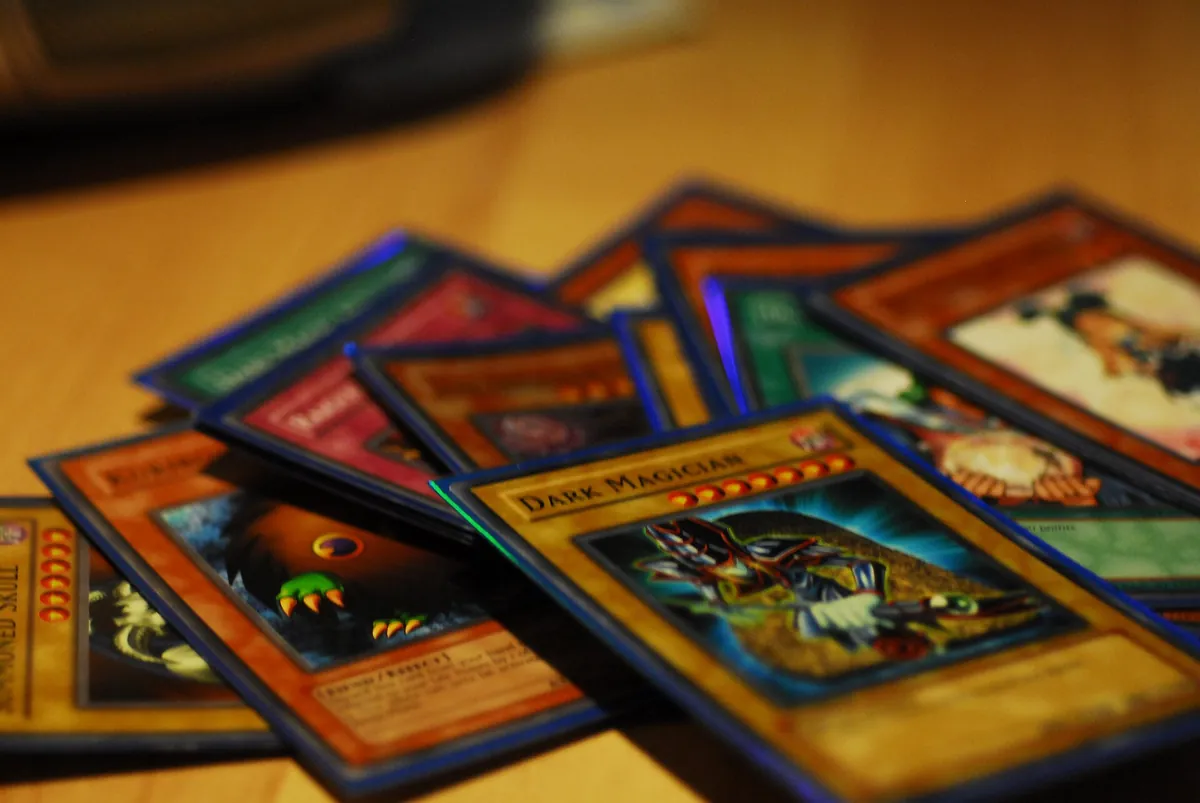
A small group of Yu-Gi-Oh cards, including Dark Magician
The exact set, rarity, and whether the card is raw or graded all split the market
Yu-Gi-Oh cards on a table, with a Dark Magician visible. First-edition prints, later reprints, and graded copies are different sales. Card artwork is the property of Konami and the other rights holders. If a takedown request arrives, we will swap this photo. Photo: Some Yu-Gi-Oh! cards.jpg by Timothy Tsui, licensed under CC BY-SA 2.0, via Wikimedia Commons. See also photo credits.

How to identify set code, rarity and first edition
A Yu-Gi-Oh! Trading Card Game card is identified by its name, its set, its collector number, its rarity, its language, and whether it is a first-edition print or an unlimited print. The set code and number, often in a small line on the card, are the details that stop two cards with the same name being treated as one market. The first-edition stamp, when it is present, is easy to miss in a soft photo. Crop tightly, and photograph the front and back.
Not sure which set or edition you have? Snap it and the app reads it for you. A secret rare, an ultra rare, and a common of the same name should not share one number. Language matters too. Confirm those details before you trust a range.
Old sets vs modern
Early English sets, including the first Legend of Blue Eyes White Dragon printings and other early sets often abbreviated LOB or MRD, are a different market from a modern common in a recent booster. Age alone does not make a card valuable. A sought-after early first-edition card can be worth much more than a later unlimited print of the same name, and a played modern staple can still have a modest listing if people use it in a deck. We will not invent a most-valuable list or a set-by-set chart.
Condition
Corners, edges, surface scratches, and whitening move the price, just as they do on other trading cards. A card that has been sleeved from new and a card that has been played for years should not use the same listings. Graded slabs and raw cards are different markets. Do not clean a card to improve a photo, and do not peel a sticker or press a bent card flat.
Listed vs sold
The range we show comes from current public listings, which are asking prices. A sold price can be lower. Trading card prices in the app use PokéWallet for supported card games, shown with a source credit where that data appears, and we also look at current public listings. When we find enough listings, we show them so you can see the spread. If listings are thin, we label a rough estimate rather than inventing a precise number.
Where to sell
People sell Yu-Gi-Oh cards through specialist card shops, local card events, and public marketplaces. The app can draft a listing for eBay, Facebook Marketplace, or Gumtree. A shop may pay less than a hopeful asking price and may be faster. Collectors trade worldwide, so listings may be in US dollars or in another currency.
Fakes and proxies
Famous early cards and expensive modern cards are widely faked, and proxies exist for play. Compare the back colour, the hologram, the font, and the card stock with a known genuine copy if a price looks too good. A photo check is a first look, not a laboratory authentication. If a large sum is at stake, get a specialist opinion before you buy or sell.
Scan and list
- Photograph the front and back, with the set code, rarity, and edition stamp readable.
- Confirm the identification, including first edition versus unlimited, and whether the card is raw or graded.
- Review the Worth about figure and the listed range when we find enough current public listings. See How we price.
You can start with a free web scan in the box on this page.
Reprints and later set printings of a famous card should not be priced from an early first-edition listing. The set code, the collector number, and the edition stamp are the details that keep those markets apart. Language editions can sit in different listing sets as well, so say whether the card is English or another language. A played common used in a deck and a gem-mint early secret rare are not the same sale. We will not invent a most-valuable Yu-Gi-Oh list or a set-by-set chart. Photograph the marks, confirm the identification, and use current public listings, plus PokéWallet where that source covers the card, as a first look.
The app scans faster, keeps a history of your items and gives free weekly scans.
What makes How Much Is It Worth different
One photo is enough to start, and you can add up to two more angles. We identify the item first, you confirm or correct it, then we look up a Worth about figure and a listed range from current public marketplace listings. Those are asking prices, which can sit above what a piece finally sells for. You see the listings themselves when we find enough of them.
Coins and banknotes also draw on Numista. Trading cards use PokéWallet, with a source credit where that data appears. Gold and silver use a live metal price as a floor. If listings are thin, we show a clearly labelled rough estimate rather than inventing a precise number. The app can draft a listing for eBay, Facebook Marketplace, or Gumtree once you are ready to sell. For the short version of this process, read How we price.
FAQ
How much is a Yu-Gi-Oh card worth?
It depends on the exact card, set, rarity, edition, and condition. Early first-edition copies of sought-after cards can be worth much more than later unlimited prints of the same name. Photograph the set code and edition stamp, then compare current public listings.
Does first edition matter on a Yu-Gi-Oh card?
Yes, when the same card exists as a first-edition print and as an unlimited print. Those are different markets. The first-edition stamp is easy to miss in a soft photo, so crop tightly.
How do I identify the set?
Look for the set code and collector number, often in a small line on the card, plus the rarity and language. Two cards with the same name from different sets should not share one number.
Are Yu-Gi-Oh fakes common?
Famous early cards and expensive modern cards are widely faked, and proxies exist for play. Compare the back colour, hologram, font, and card stock with a known genuine copy if a price looks too good. A photo is a first look, not a laboratory authentication.
Related card guides
Sources
- Trading card prices in the app use PokéWallet for supported card games, shown with a source credit where that data appears, and current public listings. See How we price.
Yu-Gi-Oh! is a trademark of Konami Digital Entertainment. This site and the How Much Is It Worth app are not affiliated with, endorsed by, or sponsored by Konami. Card artwork remains the property of its owners. We do not claim otherwise.
Updated 11 November 2026. Written by Harris, who built How Much Is It Worth. Figures that we cite include a source and a date. They are not a certified appraisal. See How we price.
The app scans faster, keeps a history of your items and gives free weekly scans.
See all guides on the homepage, or read how we price.