Error coin value depends on exact identification, not a rumour or a video thumbnail. A genuine mint error, a doubled-die variety, and ordinary damage are different things, and they do not share one price. Photograph both sides clearly, then compare current public listings for that exact coin, or scan it on this page.
The app scans faster, keeps a history of your items and gives free weekly scans.
Example
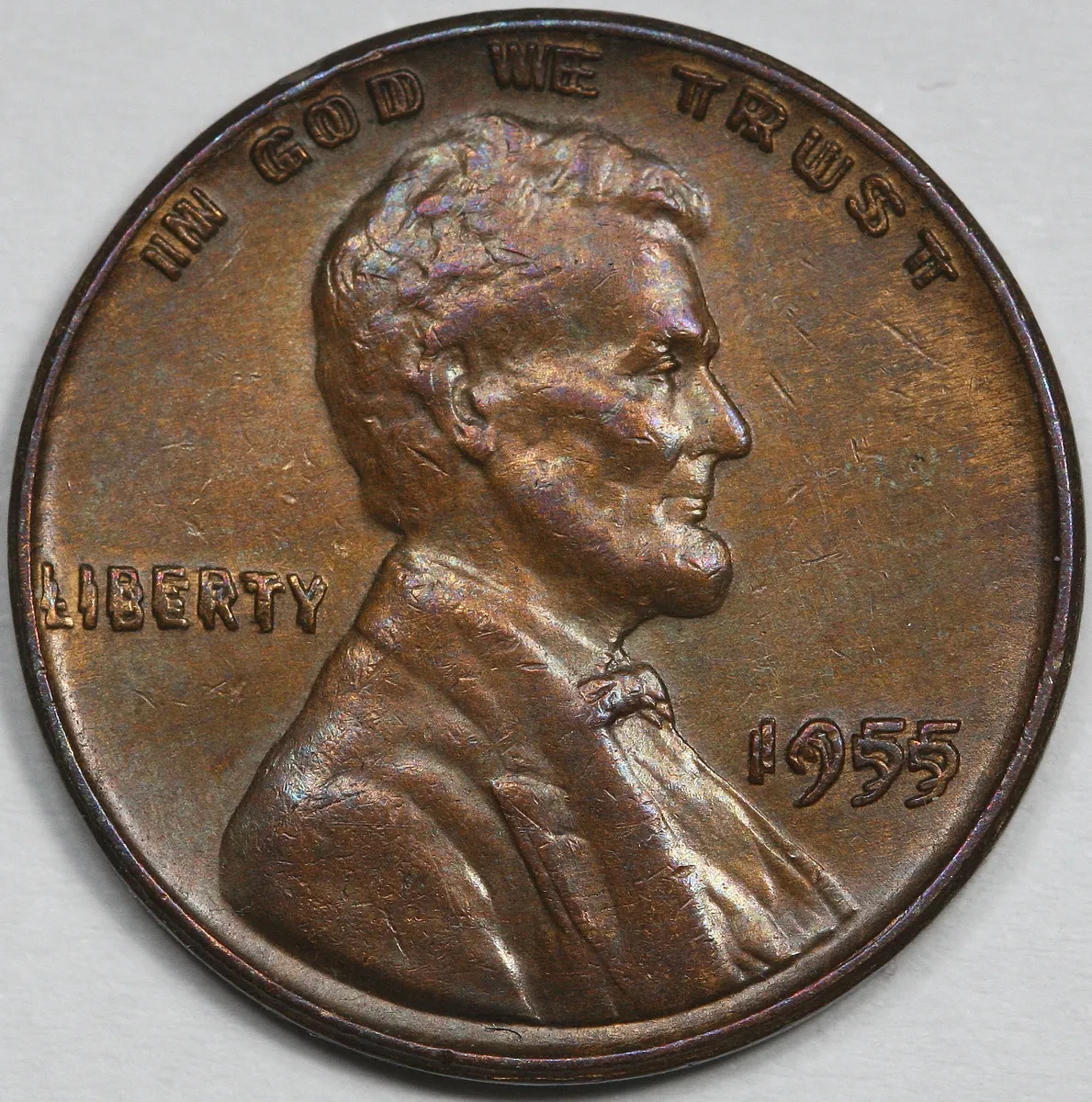
A 1955 doubled-die Lincoln cent, obverse
The exact error type, and whether the coin is authenticated, matter more than the date alone
A 1955 doubled-die Lincoln cent, a well-known mint error. Off-center strikes, clips, and doubled dies are different errors with different markets, and famous varieties are widely faked. Treat a photo as a first look and consider a professional authenticator before you sell a high-stakes error. Photograph by Lost Dutchman Rare Coins. Coin design by Victor David Brenner / United States Mint. Public domain. Source: 1955 doubled die Lincoln cent.jpg. See also photo credits.

How to identify it
Start with the country, denomination, date, and mint mark, just as you would on any other coin. Then decide what kind of anomaly you actually have. The United States Mint glossary, checked on 11 November 2026, defines an error as an improperly produced coin that was overlooked in production and later released into circulation. It defines an off-center coin as one that received a misaligned strike and is therefore missing portions of its design.
A PCGS article dated 18 July 2024 draws a useful line between mint errors and varieties. Mint errors are mistakes in the manufacturing or striking process, and each piece is unique. Varieties come from differences in the dies themselves. A doubled die is a variety, not a one-off strike. Off-center strikes, broadstrikes, coins struck on the wrong planchet, and similar mistakes are mint errors. Photograph the whole coin, then a tight crop of the odd area, including the date if it is still visible.
Not sure whether the date or mint mark is real? Snap a photo of both sides and the app reads those details for you, so you can confirm them before you trust a range. See how much is my coin worth for the basic identification steps, and wheat penny value if the coin is a Lincoln wheat cent.
What changes the price
Collectors pay for a documented mint error or a recognised variety in collectible condition. A ding, a scratch, a stained spot, or a coin that has been cleaned, tooled, or plated after it left the mint is usually just a damaged coin. Damage can look dramatic in a phone photo and still add nothing.
On off-center strikes, the same PCGS article explains that the off-center percentage is how much of the blank planchet is visible. A date that is still readable is a big part of what makes the coin identifiable. We will not invent a price chart by percentage. Compare current listings for a similar off-center amount, with the date visible or not, as the case may be.
Doubled dies and look-alikes
People often search 1955, 1969-S, and 1972 doubled-die cents first. Those are real, collected varieties, and they are also widely faked or confused with cheaper look-alikes. A true doubled die shows a second, raised design from a misaligned hub impression. NGC, in an article on doubled dies versus machine doubling, checked on 11 November 2026, describes machine or mechanical doubling as a flat, shelf-like effect from die movement at the moment of the strike. It is common and is not the same market as a true doubled die.
PCGS CoinFacts, checked on 11 November 2026, describes the famous 1955 doubled-die obverse Lincoln cent as showing obvious doubling on the date, LIBERTY, and IN GOD WE TRUST, with a reverse die misaligned by about 5 percent and a faint vertical die scratch to the left of the T in CENT. That is an identification note, not a live price. We do not publish a made-up figure for a 1955, 1969-S, or 1972 doubled die. If you think you have one, compare it with a current specialist guide and recent listings, and consider professional authentication before you sell or insure it.
Melt versus collectible value
Most error coins are still the same metal as a normal coin of that date. A worn clad error does not suddenly have a silver melt floor. A silver coin that also happens to be an error still has a metal floor, but the collector interest, if any, sits in the error or variety, not in a blended number. For dated melt snapshots on regular silver issues, see the silver quarter and dime guides. Do not price a common damaged cent as if it were a 1943 bronze error; that off-metal piece is scarce and often faked, and it is covered on the wheat penny page.
Listed versus sold prices
Online asking prices for dramatic-looking coins run high, especially when the seller has mislabelled machine doubling or damage as a doubled die. A sold price, or a dealer offer, can be much lower. The range we show comes from current public listings. When we find enough of them, we show the listings so you can see the spread. If listings are thin, we label a rough estimate rather than inventing a precise number. See How we price.
Where to sell
A genuine, recognised error or variety is often better sold through a coin dealer, an auction that handles certified coins, or a carefully described listing after authentication. Common damaged coins are usually small change. The app can draft a listing for eBay, Facebook Marketplace, or Gumtree. In the UK, Australia, or Canada, a US error is still a US coin; listings and any figures we cite are in US dollars unless a listing says otherwise.
Scan and list
- Photograph both sides, plus a tight crop of the date, mint mark, and the area that looks unusual.
- Confirm the denomination, year, and mint mark, and describe the anomaly honestly. Do not clean the coin.
- Review the Worth about figure and the listed range when we find enough current public listings.
You can start with a free web scan in the box on this page.
Post-mint damage, added mint marks, and copper-plated steel cents are common traps around famous errors. A photo is a first look, not a laboratory authentication. If a lot of money is at stake, use a respected grading or authentication service before you treat the coin as a rarity.
The app scans faster, keeps a history of your items and gives free weekly scans.
What makes How Much Is It Worth different
One photo is enough to start, and you can add up to two more angles. We identify the item first, you confirm or correct it, then we look up a Worth about figure and a listed range from current public marketplace listings. Those are asking prices, which can sit above what a piece finally sells for. You see the listings themselves when we find enough of them.
Coins and banknotes also draw on Numista. Trading cards use PokéWallet, with a source credit where that data appears. Gold and silver use a live metal price as a floor. If listings are thin, we show a clearly labelled rough estimate rather than inventing a precise number. The app can draft a listing for eBay, Facebook Marketplace, or Gumtree once you are ready to sell. For the short version of this process, read How we price.
FAQ
How much is an error coin worth?
Error coin value depends on whether you have a genuine mint error or a recognised variety, the denomination and date, and the condition. Ordinary damage, cleaning, and machine doubling are usually not the same market. Identify the coin first, then compare current public listings, or scan it on this page.
How do I tell a doubled die from damage?
A true doubled die shows a second, raised design from a misaligned hub impression, and every coin from that die shows the same doubling. Machine doubling is a flat, shelf-like effect from die movement at the strike, and it is common. NGC and PCGS both describe that difference. Post-mint scratches and stains are damage, not mint errors.
Is a 1955 doubled die penny valuable?
It is a famous, collected variety, and it is also widely faked or confused with cheaper look-alikes. We will not invent a price for it. Compare the diagnostics with a current specialist guide and recent listings, and consider professional authentication before you sell or insure a possible example.
Can I scan an error coin with the app?
Yes. Photograph both sides, including the date, mint mark, and the area that looks unusual, then confirm the identification. Coin figures draw on Numista as well as current public listings. See How we price.
Related coin guides
Sources
- United States Mint, Coin Term Glossary: definitions of error and off-center. Accessed 11 November 2026.
- PCGS, “Varieties vs Mint Errors: What’s the Difference?,” PCGS, 18 July 2024. Mint errors occur during manufacturing and are unique; varieties come from the dies; a doubled die is a variety; off-center percentage is the visible blank planchet.
- NGC, “Double Dies vs. Machine Doubling,” NGC, accessed 11 November 2026. True doubled-die doubling is raised and repeats from the die; machine doubling is a flat, shelf-like strike effect.
- PCGS CoinFacts entry for the 1955 doubled-die obverse Lincoln cent, PCGS CoinFacts, accessed 11 November 2026, for the diagnostic notes cited in the guide. Those notes are not a live price.
Updated 11 November 2026. Written by Harris, who built How Much Is It Worth. Figures that we cite include a source and a date. They are not a certified appraisal. See How we price.
The app scans faster, keeps a history of your items and gives free weekly scans.
See all guides on the homepage, or read how we price.