How much is my guitar worth depends on the brand, the exact model, the serial if you have it, and the condition, not on a remembered shop-ticket price. A modified or damaged instrument is not the same listing as a clean, original example of the same model. Photograph the guitar and the serial, then compare current public listings.
The app scans faster, keeps a history of your items and gives free weekly scans.
Example
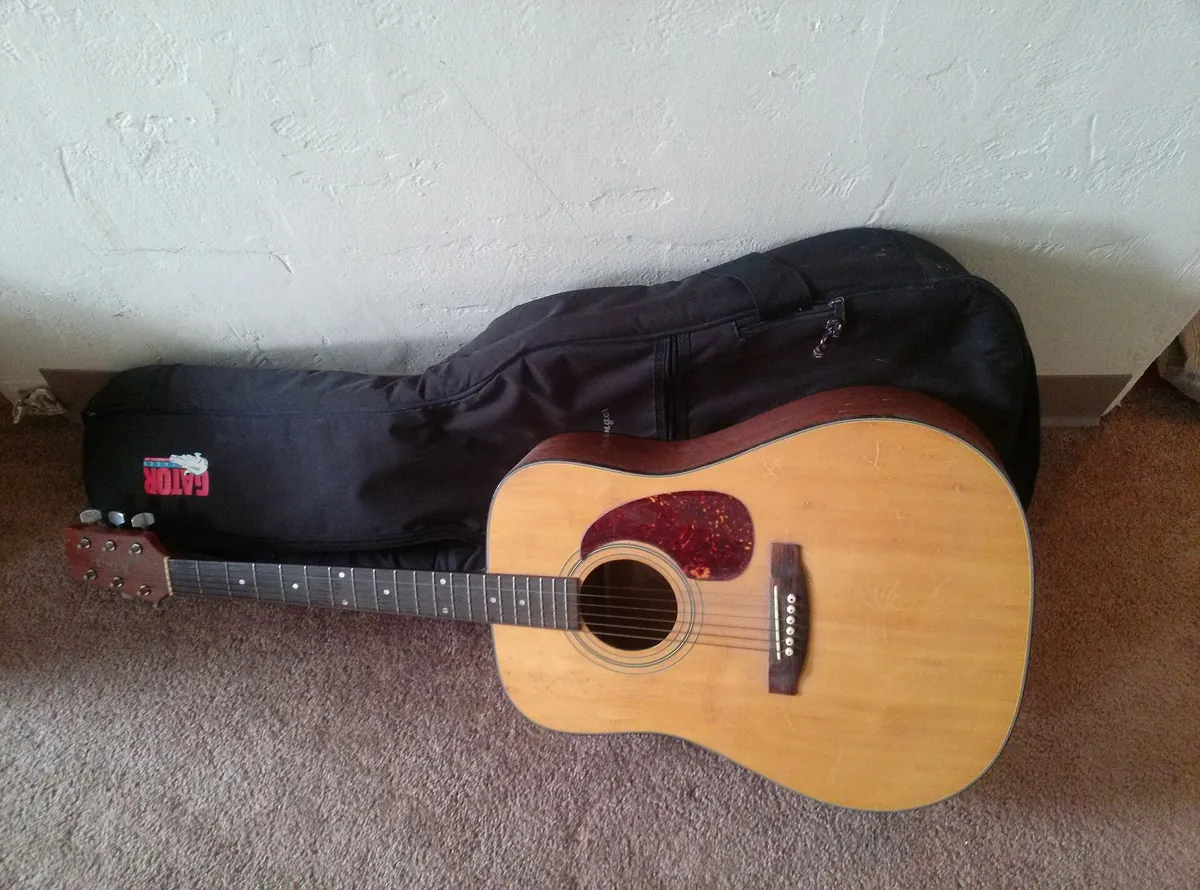
An acoustic guitar, photographed on its side
Maker, model, condition, and whether a case is included all move the price
An acoustic guitar. The maker and model, any label or serial inside the body, and cracks or repairs usually matter more than a generic “acoustic guitar” listing. Photograph the headstock, the label, and any damage. Photo: Acoustic Guitar 2.jpg by Johnnydeezwax, licensed under CC BY-SA 3.0, via Wikimedia Commons. See also photo credits.

Identify brand, model and serial
Start with the headstock logo, the model name, and the serial. On many electrics the serial sits on the headstock or on a neck plate. On many acoustics it sits inside the soundhole, on a label, or on the neck block. The serial can help date the instrument and separate a factory model from a lookalike, but it is not a price by itself. Photograph the front, the back, the headstock, the serial, and any label or stamped mark.
People also search "how much is my guitar worth serial number" because a serial is the detail that turns "a sunburst electric" into a specific product. Not sure which model you have? Snap a photo of the headstock and the serial and the app reads them so you can confirm the instrument. Aftermarket copies, kit builds, and relabelled imports should be identified as such, not listed under a famous brand because the outline looks familiar.
Condition and originality
Cracks, neck resets, bowed necks, worn frets, missing bindings, and a loose bridge all change the range. On electrics, rusted hardware, failing electronics, and replaced pickups or tuners matter. A refinish, a routed body, or a replaced neck should be described as a change to originality, not as a factory feature. Honest play wear and a hidden structural repair are different facts, and both belong in the photos.
Case, strap, papers, and original case candy can help, especially on newer or limited instruments, but a generic gig bag does not turn a player-grade guitar into a collector listing. We will not invent a going rate for a Fender, a Gibson, a Martin, or a no-name student model. Compare current listings for the same model, year, and condition.
Electric versus acoustic
The same identification rules apply to both, with a slightly different checklist. Electrics: electronics, pickups, hardware, and whether the instrument is a bolt-on, set, or other neck construction as it left the factory. Acoustics: top cracks, bridge lift, neck angle, and whether the guitar has been refinished or over-bridged. Amplifiers, pedals, and a mixed "guitar plus amp" bundle should be described as a bundle, or listed separately, rather than rolled into one invented figure.
Listed versus sold
Shop tags, insurance figures, and "what I paid in 1998" are not sold prices. A trade-in at a music shop is often lower than a private sale, because the shop needs a margin and has to set the instrument up. When we find enough listings, we show them so you can see the spread. If listings are thin, we label a rough estimate rather than inventing a precise number. See How we price.
Where to sell
People sell guitars through local music shops, Reverb and eBay, specialist dealers, and Facebook Marketplace. Large instruments often sell better when a buyer can play them in person. The app can draft a listing for eBay, Facebook Marketplace, or Gumtree. Say whether the guitar stays in tune, whether there are cracks, and what has been replaced. For an older instrument that may be an antique as well as a player, see how much is my antique worth.
Scan and list
- Photograph the whole guitar, the headstock, the serial or label, and any cracks or replaced parts.
- Confirm the brand and model, and note modifications, refinishes, or missing hardware.
- Review the Worth about figure and the listed range when we find enough current public listings.
You can start with a free web scan in the box on this page. Counterfeit headstocks and "in the style of" bodies show up in the same searches as genuine factory instruments. A scan is a first look at the model and at current listings, not a workshop setup or a formal authentication. If the guitar may be a valuable vintage piece, treat the estimate as a starting point and have a qualified tech or specialist look at it before you sell or insure it.
The app scans faster, keeps a history of your items and gives free weekly scans.
What makes How Much Is It Worth different
One photo is enough to start, and you can add up to two more angles. We identify the item first, you confirm or correct it, then we look up a Worth about figure and a listed range from current public marketplace listings. Those are asking prices, which can sit above what a piece finally sells for. You see the listings themselves when we find enough of them.
Coins and banknotes also draw on Numista. Trading cards use PokéWallet, with a source credit where that data appears. Gold and silver use a live metal price as a floor. If listings are thin, we show a clearly labelled rough estimate rather than inventing a precise number. The app can draft a listing for eBay, Facebook Marketplace, or Gumtree once you are ready to sell. For the short version of this process, read How we price.
FAQ
How much is my guitar worth?
Guitar value depends on the brand, the exact model, the serial if you have it, and the condition and originality. A modified or damaged instrument is not the same listing as a clean, original example of the same model. We will not invent a going rate for a famous brand. Compare current public listings.
Does the serial number help?
Yes. A serial can help date the instrument and separate a factory model from a lookalike, but it is not a price by itself. Photograph the headstock and the serial, which may be on the headstock, a neck plate, or a label inside an acoustic.
Should I use a trade-in or a private sale?
A trade-in at a music shop is often lower than a private sale, because the shop needs a margin and has to set the instrument up. That can still be a fair choice if you want a simple handover. Compare both against current public listings for the same model and condition.
Can I scan a guitar with the app?
Yes. Photograph the whole guitar, the headstock, the serial or label, and any cracks or replaced parts, then confirm the model. A scan is a first look at the model and at current listings, not a workshop setup or a formal authentication.
Related guides
Updated 11 November 2026. Written by Harris, who built How Much Is It Worth. Figures that we cite include a source and a date. They are not a certified appraisal. See How we price.
The app scans faster, keeps a history of your items and gives free weekly scans.
See all guides on the homepage, or read how we price.