A catalytic converter can have scrap value because of the platinum, palladium and rhodium in the catalyst, but you should only sell a converter you legally own, usually from a vehicle registered to you. Identification and a scrap yard quote matter more than a generic internet average. We will not publish a national average price, because those figures are often stale or made up.
The app scans faster, keeps a history of your items and gives free weekly scans.
Example
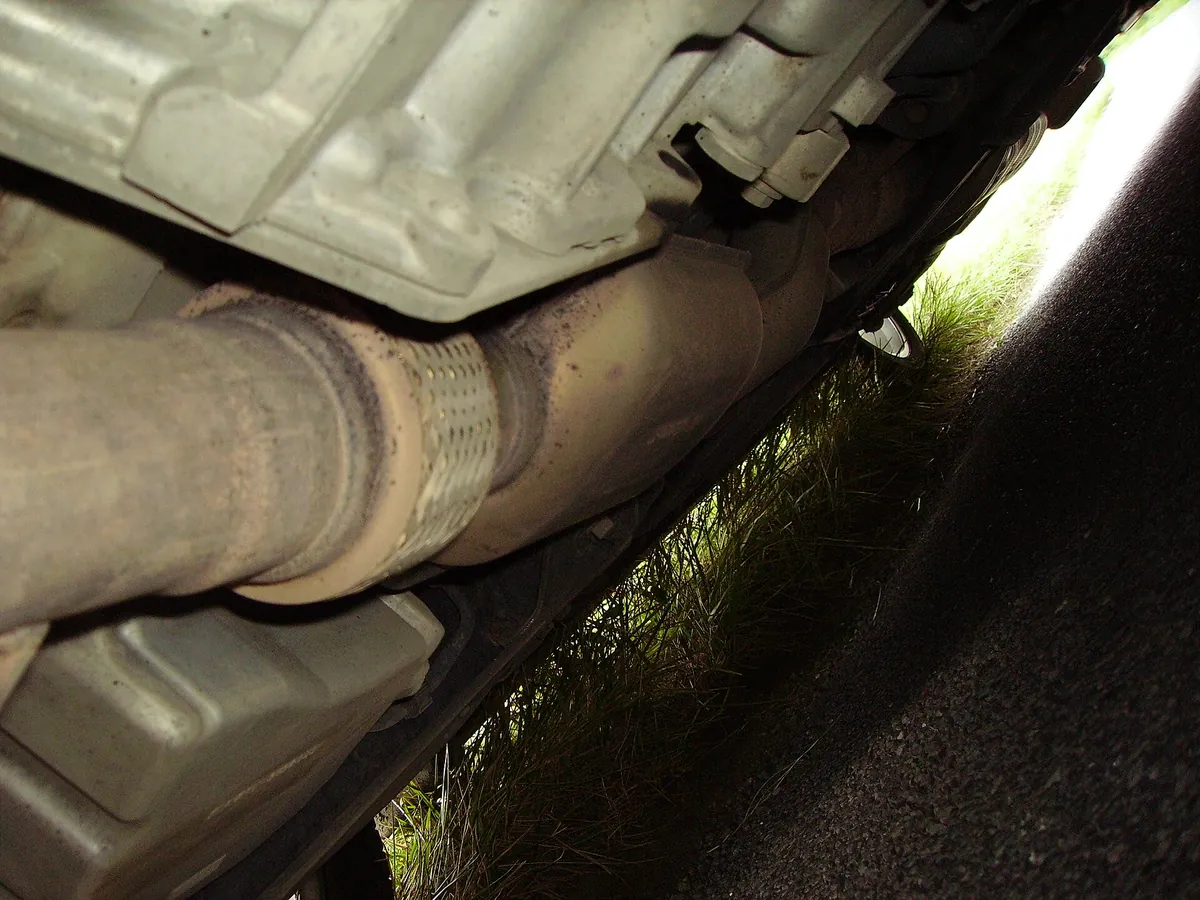
An automotive catalytic converter
A licensed yard quote for a unit you legally own is the practical check
A catalytic converter can have scrap value because of the platinum-group metals in the catalyst. You should only sell a converter you legally own, usually from a vehicle registered to you. We will not invent a national average price. Photo: Catalytic Converter.JPG by Ballista, licensed under CC BY-SA 3.0, via Wikimedia Commons. See also photo credits.

Legal ownership first: only converters from a vehicle you own, or otherwise legally obtained, should be sold
Start with ownership, not with a dollar figure. You should only sell a catalytic converter that you legally own. The usual case is a converter taken from a vehicle registered to you, after a lawful replacement, or a unit you otherwise obtained legally with a paper trail. Selling a stolen converter is a crime. Many yards will ask for identification, a vehicle registration, or other proof before they buy. We will not help anyone price or sell a converter they do not own, and this page is not a how-to for removing a converter from someone else's car.
If you are replacing a converter on your own vehicle, keep the old unit, the invoice, and the registration together. That paperwork is part of a lawful sale.
What the part is and why scrap yards care (platinum, palladium, rhodium)
A catalytic converter is an exhaust part that uses a catalyst, often containing platinum, palladium, and rhodium, to reduce certain emissions. Those metals are why a scrap yard may pay for a used unit. The load of metal varies widely by vehicle, engine, and year, and by whether the converter is a genuine original part or an aftermarket replacement. Aftermarket units often contain less precious metal, and a hollowed-out or already-cut converter may have little or no remaining value.
We do not invent a per-ounce payout or a national average. Metal markets move, and so do yard bids. A live precious-metal price is background context, not a converter quote. NGC's melt-value table, updated 10 November 2026 at 6:55 p.m. Eastern, is a source we use for gold and silver on other pages; converter bids are a scrap-yard matter, not a simple melt of a published coin table.
Serials and vehicle make
Photograph any serial or part number stamped on the shell, plus the vehicle make, model, year, and engine if you still have the car. Those details are what a yard uses to look the unit up. A converter from a small car and a converter from a larger truck should not be assumed to share one price. If the number is unreadable or the shell has been damaged, say so. Not sure what is stamped on yours? Snap a photo and the app can help you read the marks.
Why we will not invent a national average
Search results are full of "average catalytic converter value" figures that treat every unit as the same, or that recycle a single made-up number. Those averages are often stale, unsourced, or simply invented. We will not add another one. A useful first look is identification plus a quote from a licensed scrap yard that buys converters in your area, compared, when we can, with current public listings for a similar identified unit. If we cannot find enough honest listings, we will say the figure is a rough estimate or that you should get a yard quote, rather than inventing a precise number.
Scrap yard quotes vs any listings
Most converters are sold to a yard, not as a finished collectible. A yard quote is a bid, and bids differ by location, by metal markets, and by whether the buyer is sure of the identification. Public listings, when they exist, are asking prices. A sold or paid price can be lower. Be cautious of online offers that want you to ship a converter with no identification check; lawful yards usually want ID and vehicle details.
Where to sell (lawful yards; ID often required)
Take a legally owned converter to a licensed scrap yard or catalytic buyer that asks for identification and, where required, vehicle paperwork. Local rules vary, including in the United States, the UK, Australia, and Canada, and some places restrict cash purchases or require records. We do not buy converters. The app is a first look at marks and at public listings when they exist; it is not a yard bid and not legal advice. If we draft a listing, it is only appropriate for a converter you legally own, with the identification and paperwork a buyer should expect.
Scan and list
- Confirm you legally own the converter, and keep registration or replacement invoices with the part.
- Photograph the shell, any serial or part number, and note the vehicle make, model, year, and engine if you have them.
- Use a licensed yard quote as the practical price check. Review any Worth about figure or listed range only when we find enough current public listings, and treat thin data as a rough estimate. See How we price.
You can start with a free web scan in the box on this page if you want help reading the marks on a converter you legally own.
The app scans faster, keeps a history of your items and gives free weekly scans.
What makes How Much Is It Worth different
One photo is enough to start, and you can add up to two more angles. We identify the item first, you confirm or correct it, then we look up a Worth about figure and a listed range from current public marketplace listings. Those are asking prices, which can sit above what a piece finally sells for. You see the listings themselves when we find enough of them.
Coins and banknotes also draw on Numista. Trading cards use PokéWallet, with a source credit where that data appears. Gold and silver use a live metal price as a floor. If listings are thin, we show a clearly labelled rough estimate rather than inventing a precise number. The app can draft a listing for eBay, Facebook Marketplace, or Gumtree once you are ready to sell. For the short version of this process, read How we price.
FAQ
How much is a catalytic converter worth?
It depends on the exact unit, whether it is an original or aftermarket part, and a scrap yard's bid for the metals inside it. Quotes vary widely. We will not publish a national average, because those figures are often stale or made up. Identify the unit, and only sell a converter you legally own.
Can I sell a catalytic converter I found or took off someone else's car?
No. You should only sell a converter you legally own, usually from a vehicle registered to you after a lawful replacement, or a unit you otherwise obtained legally with a paper trail. Selling a stolen converter is a crime. Many yards will ask for identification and vehicle paperwork.
Why do catalytic converter quotes vary so widely?
The load of platinum, palladium, and rhodium varies by vehicle, engine, and year, and aftermarket units often contain less precious metal. A hollowed-out converter may have little value left. Location and metal markets also change bids. That is why a generic average is not honest.
Do I need identification to sell a converter?
Often yes. Licensed yards commonly ask for ID and, where required, vehicle registration or a replacement invoice. Local rules vary. Be cautious of online offers that want you to ship a converter with no identification check.
Related guides
Sources
- We do not publish a national average catalytic-converter price. A licensed scrap-yard quote for a unit you legally own is the practical check. Metal-market context for gold and silver on this site cites NGC melt values dated 10 November 2026; converter bids are a yard matter, not a simple melt of that coin table. See How we price.
Updated 11 November 2026. Written by Harris, who built How Much Is It Worth. Figures that we cite include a source and a date. They are not a certified appraisal. See How we price.
The app scans faster, keeps a history of your items and gives free weekly scans.
See all guides on the homepage, or read how we price.